The BBC to cut 155 jobs – is the creative industry insecure?
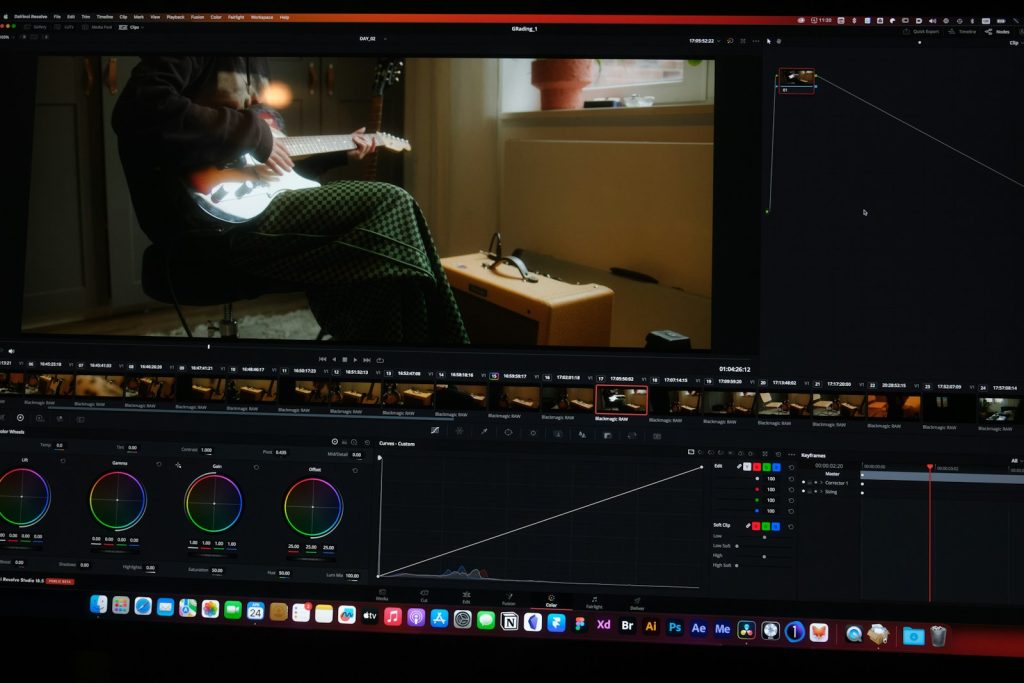
Recent news from the BBC that they plan to cut costs by £24 million in a bid to save £700 million a year will see the broadcaster cutting 155 roles—130 journalism jobs and 25 from media operations.
These job cuts represent a wider issue that the creative industry faces. Fields like design, media, art, entertainment, and more play a crucial part in shaping culture, fostering innovation, and promoting social cohesion. A recent survey has revealed that 60% of Brits don’t believe careers within the creative field and ‘real jobs’.
This, amongst Rishi Sunak’s vow to crack down on ‘rip-off’ degrees when he was Prime Minister, means those pursuing careers in the arts, design, media, and other creative sectors frequently encounter doubt and disdain. From being dismissed as “impractical” to being viewed as less valuable than the STEM field, this statistic adds to the widespread scepticism and criticism creative careers face.
But would we be able to survive and function as a society without said roles? With this in mind, Guy Thornton, Founder of Practice Aptitude Tests, has provided insight into what would be missed if Britons didn’t have such a prevalent creative field.
Film and TV
Guy says: “The endless variety of TV shows, movies, and radio programs we consume daily, from dramas on BBC One to comedies on Channel 4, owe their existence to the creative minds behind them. From the actors and presenters to the camera people and producers, your favourite bits of entertainment would cease to exist without creative jobs.”
Advertising and Marketing
Guy says: “Ever been roped into buying something that caught your eye from an ad or a cool campaign? Behind the aesthetic billboards plastered around cities and the catchy jingles you hum to yourself throughout the day is a team of creatives that take these ideas from the boardroom to the final product.”
Urban Planning and Architecture
Guy says: “Houses up and down the country, local buildings and public spaces are all credited to creative jobs. From architects to interior or creative designers, our towns and cities wouldn’t be the same without the masterminds behind the entire design process.”
Literature
Guy says: “As a society, we take for granted being able to walk into a bookshop and have thousands of different choices at our fingertips. But often what we forget is the effort a whole team of writers, illustrators and publishers go through to create stories that transform you into a different reality or teach you invaluable knowledge on an array of topics.”
Video Games
Guy says: “The UK is home to a thriving video game industry, including titles like “Grand Theft Auto,” which originated from British studios. Without creative jobs in the UK and across the world, this entire sector, along with its cultural and economic contributions, wouldn’t be sustained.”
Events and Festivals
Guy says: “A huge part of British summer is the endless amount of events and festivals that take place across the country. From Glastonbury to Notting Hill Carnival, there is a surplus of activities for everyone to enjoy, even if the weather isn’t amazing. And whilst many events are associated with the warmer weather, Christmas markets and concerts that follow us through to the colder months keep people busy throughout the year.
“Without creatives across a number of fields, events and festivals would not be feasible to take place.”
Product Design
Guy says: “Everyday items, from your phones to kitchen appliances, have been carefully designed for both functionality and aesthetic appeal. The look and feel of products we use daily and display in our homes are crafted by designers. So next time you reach for a chopping board or go to pull out a chair, remember they wouldn’t be there without people in creative roles.”
The UK’s creative and entertainment history has an excellent reputation worldwide for quality and it is vital that creative careers are supported. Indeed, with the growing reliance on digital, it is likely that this talent could be more vital than ever – and yes, a ‘creative’ degree is a skilled degree, with graduates facing a strong future. Here’s to the UK’s Creatives.