Beyond the likes and followers – do aspiring performers need a social following and online presence to succeed?
In the past, getting noticed as an aspiring performer was about having the perfect headshot, credentials and stage presence. Fast forward to 2024, and there is a new essential on the performer’s resume: social media. While having an online presence and sharing your journey with the world isn’t a strict requirement, it can give you a head start.
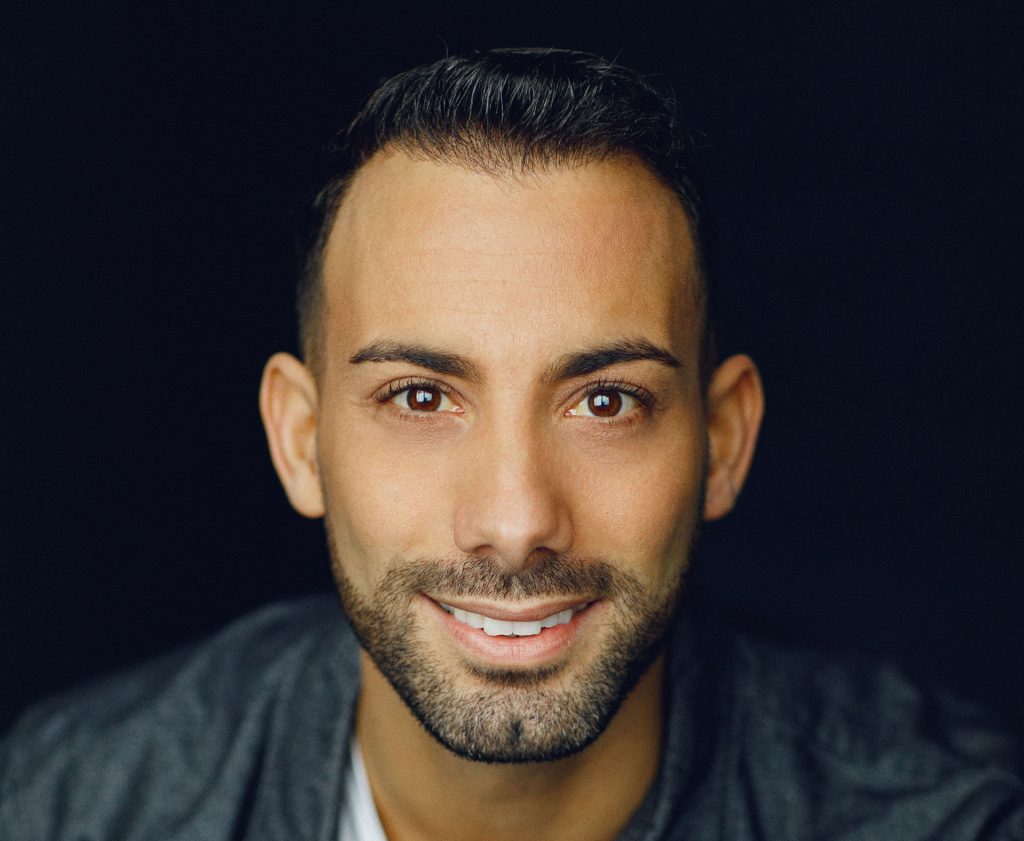
However, accumulating likes and followers does not guarantee success and how you represent yourself online can have detrimental circumstances for your career. To discuss this further, Terence Rodia, former professional performer and Founder of YOU Management, delves into the impact of technology and social platforms on performing professionals. Here, Terence offers expert insight from both a talent agent and casting point of view on the benefits and pitfalls of using these platforms.
How has technology changed and shaped the entertainment industry for aspiring performers?
I think it has mainly reshaped our thought processes and how we approach things, for instance, previously a dancer’s focus might have been purely on performance and skill development. Today, however, the rise of social media has shifted some of that focus toward capturing the best splits leap image or recreating TikTok dances.
Social media has also created a perception that success as a performer can be achieved simply by gaining a large following on platforms like Instagram or TikTok. While I’m not saying that a big following does not work to boost exposure, it’s essential to remember that true success still relies on training, dedication, and honing your craft.
In your experience, what are the biggest advantages of technology for new and emerging talent?
I’d say that one of the biggest advantages of technology is the increased accessibility and visibility it offers. Social media platforms provide direct access to casting directors, executives, and other key decision-makers in the industry, like never before. This allows talent to build connections and reach out directly, rather than relying solely on traditional in-person networking, auditions, and classes. This accessibility can accelerate relationship-building and help talent get noticed without necessarily having an established reputation.
That being said, this shift to online exposure has also altered the industry’s focus, not always for the better. Today, there’s often more emphasis on social media presence than on skill and performance. For instance, in a setting like a dance class, instead of focusing entirely on developing skills, talent might feel pressured to capture the perfect video or snapshot for social media. This emphasis can sometimes distract from genuine improvement and training.
Therefore, I would say that while social media can create paths to fame, it’s important to recognise that true success in the industry still requires hard work and continuous improvement.
Does having an established following on social media influence casting decisions?
With reluctance, I would say yes, social media can influence casting decisions, but it’s usually one of many factors rather than the most crucial one. More and more reality TV stars and known faces are indeed being cast in prominent West End/tour roles and, most notoriously, in pantomimes. I can understand this decision from a casting director’s point of view as there is an advantage in selecting performers with a large fan base, as these actors come with built-in audiences, which can boost ticket sales and bring greater visibility to the production. From a producer’s perspective, casting someone with a significant following can also make financial sense, as it increases the project’s potential for success.
However, while a social media following can be a deciding factor, it is actually one of many factors such as having the right training, talent and suitability for the role.
What advice would you give to graduates on building an online presence?
Having an online presence is great, but it’s important to strike a balance between showcasing professional skills and maintaining privacy in our personal lives. Casting directors regularly check social media to assess a performer’s credibility and reliability. For example, if someone cancels an audition because they say that they’re sick but then they post about a night out the night before, it can seriously harm their reputation.
One of the best ways to protect yourself from oversharing online is by creating two separate accounts: a private account for personal content, shared only with friends and family, and a professional account that showcases your talents, such as acting reels, singing performances, or other relevant skills. By doing so, performers can maintain a clear distinction between personal and professional, this allows them to decide what imagery and content they would like shared publicly, and what they would not.
Ultimately, treat your public profile as an extension of your professional brand. Be selective and intentional about what you share, keeping in mind that a well-curated online presence can be a powerful tool in your career journey. It’s all about understanding how your online presence can impact your career and making sure it works in your favour, not against you.