ESM Operations Shares Key Insight on Delivering a Safe Opening Ceremony
Following another summer of incredible international football, millions of fans around the world tuned in to watch one of sport’s most anticipated spectacles: the FIFA World Cup opening ceremony.
The performances, entertainment, technology and celebrations were be watched by millions around the globe. For many, it was a moment of excitement and anticipation. For those working behind the scenes, however, it represented the culmination of months, (and often years) of planning, coordination and operational preparation.
While audiences focus on what happens on the pitch and stage, the success of any opening ceremony is built upon something far less visible: public safety.
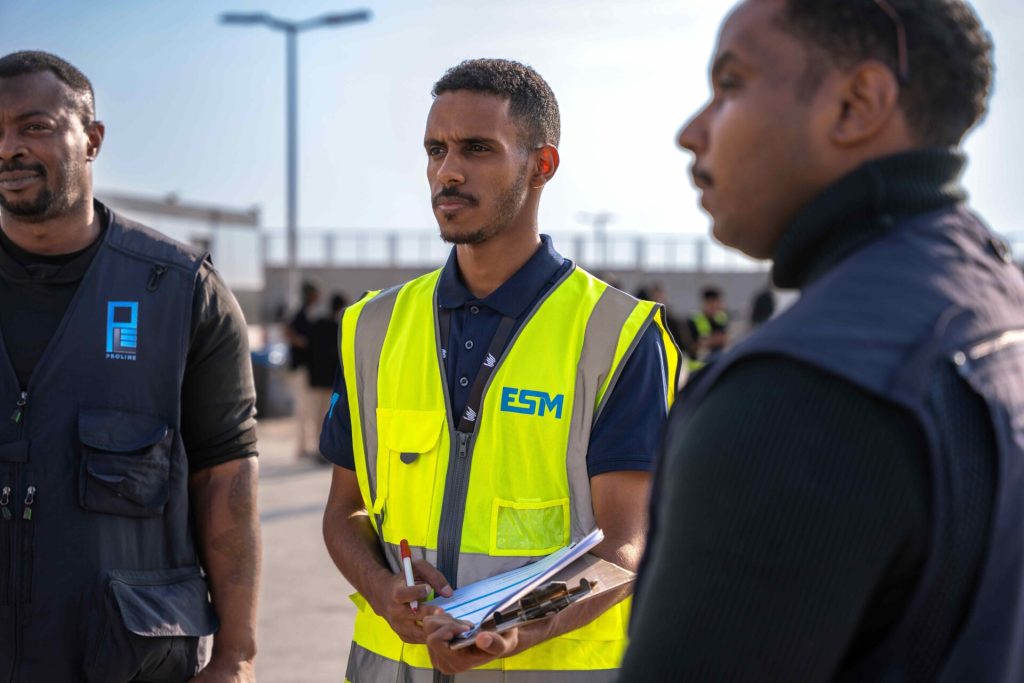
Global event public safety company ESM Operations, which has ensured the safety of over 35 million people across events in 30 countries, details key considerations for delivering a safe opening ceremony.
More Than a Performance
Opening ceremonies are among the most complex live events delivered within a sporting tournament.
Unlike a standard matchday, they often combine live entertainment, ceremonial elements, athletes, VIP guests, media operations, broadcast requirements, pyrotechnics and large spectator numbers within a compressed timeframe.
Each component introduces additional operational considerations that must be carefully planned, tested and coordinated.
Stadium Readiness Starts Long Before Gates Open
Public safety planning begins long before the first spectator arrives.
Every stadium hosting a major sporting event must understand how attendees will move through the venue from arrival to departure.
This includes:
· Crowd ingress and egress planning
· Queue management strategies
· Capacity management
· Accessible routes and services
· Security screening procedures
· Wayfinding and signage
· Transport integration
· Last-mile planning
The objective is to create a safe, efficient and positive stadium experience while reducing congestion, confusion and potential risk points.
For opening ceremonies, where attendance is often at or near capacity, these considerations become even more critical.
The Role of Control Rooms
Control rooms are often described as the operational heart of a major event.
They provide a central location for monitoring activity, managing communications and supporting decision-making throughout live operations.
During an opening ceremony, control room teams may coordinate information from multiple sources simultaneously, including CCTV systems, radio communications, security teams, medical providers, venue operations, emergency services and transport partners.
Maintaining situational awareness allows organisations to identify issues early, make informed decisions and coordinate responses effectively.
When managed well, control rooms help ensure that operational challenges are resolved before they impact the audience experience.
Success Is Often Measured by What Doesn’t Happen
When an opening ceremony runs successfully, audiences remember the atmosphere, performances and celebration.
They rarely notice the planning, governance and coordination that made it possible.
In reality, the safest events are often those where public safety operations remain largely invisible.
With no disruption, no confusion, no delays, no incidents affecting the attendee experience.
Achieving that outcome requires preparation, competent personnel, effective communication and robust operational structures working together behind the scenes.
Successful delivery requires collaboration between a wide range of stakeholders, including:
· Event organisers
· Stadium operators
· Security providers
· Medical teams
· Emergency services
· Production companies
· Transport authorities
· Government agencies
· Crowd management specialists
The challenge is not simply delivering an impressive experience. It is ensuring every attendee, performer, workforce member and stakeholder can participate safely throughout the event.
Workforce Capability Remains Essential
No plan succeeds without capable people. A significant factor in operational readiness is ensuring that every member of the workforce understands their role, responsibilities and escalation procedures.
This includes supervisors, safety personnel, security teams, stewarding staff, control room operators, medical providers and venue management teams.
Training, briefings and exercises play a vital role in ensuring consistency across all operational functions.
The most effective event operations are those where individuals understand not only their own responsibilities, but how they contribute to the wider event strategy.
Planning for the Unexpected
One of the most important aspects of opening ceremony safety is preparing for scenarios that may never occur.
Emergency planning includes considering all eventualities including medical incidents, adverse weather, crowd surges, infrastructure failures, security incidents, transport disruptions, evacuation requirements.
Testing procedures through tabletop exercises, rehearsals and operational readiness reviews helps organisations validate plans and identify opportunities for improvement before live delivery.
The goal is not to predict every possible challenge. It is to ensure that teams are prepared to respond effectively, and collaboratively when situations arise.
Looking Ahead
As major sporting events continue to grow in scale and complexity, the importance of stadium readiness, workforce capability and operational consistency has never been greater.
Opening ceremonies may only last a few hours, but their success is built on countless hours of planning, testing and collaboration.
Long before the first performance begins, public safety professionals, venue operators and event teams are already working to ensure that every attendee can enjoy the experience safely.
Because in major event operations, success starts long before kick-off.
For further information contact the ESM Operations team at https://esmoperations.com/